
How to Create a Functional Open Concept Home Design?
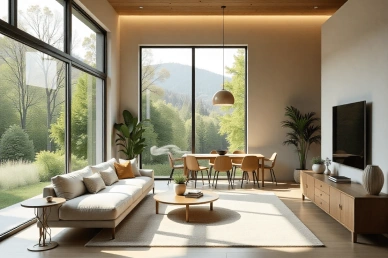
How to Design a Functional Open Concept Home for Modern Living Do you dream of a home that feels spacious and bright? You can then build a house with an open-concept design. This innovative layout allows you to blend your kitchen, dining, and living areas into a harmonious space. It also creates the appearance of a spacious room that guarantees a seamless flow. However, creating a functional open concept for your home is not merely about knocking down walls. Rather, you need smart planning that balances openness with purpose. Let us provide a comprehensive guide on creating an open concept home design. Designing an Open Concept Home That Works Beautifully Open concept living has become a popular choice for homeowners who want a brighter, more connected space—but achieving the perfect balance between openness and functionality takes careful planning. It’s not just about removing walls; it’s about creating a layout where every area flows naturally while still serving a clear purpose. When designed thoughtfully, an open concept home can feel spacious, inviting, and perfectly suited for modern living. One of the biggest challenges is maintaining structure within a large, open area. Without proper planning, the space can feel cluttered or undefined. That’s where smart design choices come in—using furniture placement, area rugs, lighting, and subtle transitions to create distinct zones for cooking, dining, and relaxing. These elements help organize the space without sacrificing the airy, open feel that makes this design so appealing. Functionality should always lead the design. Easy movement between areas, practical storage solutions, and multi-functional furniture can make a big difference in everyday comfort. At the same time, maintaining a consistent color palette and cohesive style ties everything together for a polished look. In this guide, you’ll explore practical ideas to help you design an open concept home that is not only visually appealing but also efficient, organized, and tailored to how you live. How To Create an Open Floor Plan There are various steps for creating an open concept floor layout. Assess Your Existing Layout Start evaluating the floor plan and identify the load-bearing and non-load-bearing walls. Load-bearing walls ensure structural integrity; so, you must be careful in removing them. Determine Your Lifestyle and Needs You have to understand how you and your family members use the living space. Before creating an open-concept living room layout, you must ask yourself a few questions- Do you need frequent entertainment? Should you have a dedicated home office? Make Your Budget for an Open-Floor Plan Project Budgeting is a significant step for your open-concept floor design project. Wall removals, floor replacement, and electrical work are some factors that affect your budget. Creative Ideas for Your Open Concept Home Design You can now check for the best ideas to create your open floor plan. Use Rugs And Furniture To Make Invisible Walls Zoning is a significant step for creating an open floor plan. You have to mark zones using different connectors, such as wall treatments, carpets, and lighting. Use these elements to outline the spaces if you need an open-concept living room or kitchen. Install Glass Doors To Merge Outdoors And Indoors Open floor plans for your home close the gap between interiors and exteriors. Large floor-to-ceiling glass windows and doors look perfect in an open layout. In some cases, the dining and living spaces open into the backyard to make the room appear boundless. Use Structural Elements for Exclusive Features Vaulted ceilings, columns, and beams are structural features for your open floor layouts. For example, the beam on your fireplace can be used as a frame for the mantle. Likewise, vaulted ceilings with chandeliers create an amazing look. Choose L-Shaped Open Floor Layout When creating a new architecture with an open-concept layout, an L-shaped design is the best choice. Segmenting an L-shaped layout is easier than that of a standard rectangle or square. Another advantage of this layout is that you may add kitchen cabinets to the corner. How To Optimize Entertainment Zones and Living Areas in an Open Concept A living area with an open-concept layout can be more comfortable in strategic ways. Focus on seating arrangements – Your seating arrangements should create an inviting space that allows interactions. A U-shaped or circular arrangement is best for promoting conversation. Chairs and sofas have to face each other. Invest in multi-functional furniture – You can choose multi-purpose furniture for your open floor plan. It adds value to the space and helps you meet various needs. For instance, modular seating systems and expandable dining tables are the best choice for your open-concept home. Determine the focal point – The central focus must be on your living space, as it helps you draw the attention of your guests. A large artwork piece or a striking mantel can become the center of attraction. How to Improve Dining and Kitchen Areas for Your Open Floor Plan The dining and kitchen areas are significant places in your open concept floor plan. To make the best use of the space, you must focus on- A kitchen island – A kitchen island has multiple functions in your open floor layout. You may incorporate features, such as a cooktop, sink, and built-in appliances, in the island. Open shelves – Closed cabinetry and open shelving enable you to maintain a clutter-free layout. AN open shelf can also be the best area to display decorative elements. Dining setup – The dining setup complements a home interior with an open floor plan. Common challenges with an open floor layout Although an open-concept layout provides several benefits, it may pose a few challenges. Extreme noise issues – Sound is a common issue in an open concept floor layout. To create a comfortable acoustic environment, you have to add sound-dampening materials to your ceiling. Specially designed acoustic panels will also help you reduce echo. Some people use ceiling fans to generate white noise. Besides, rugs and upholstered furnishings have soft surfaces that absorb sound. Privacy problems – To create privacy in an